


When designing the lighting scheme for a home, it’s essential to consider the different functions of each room and select the appropriate types of lighting to create a comfortable and functional environment.
These are the 5 typical lighting sources:
- Ambient lighting: This is the primary light source in a room and provides overall illumination. Examples include ceiling-mounted fixtures, chandeliers, and wall sconces.
- Task lighting: This type of lighting is designed to provide focused illumination for specific tasks such as reading, cooking, or applying makeup. Examples include desk lamps, under-cabinet lighting in kitchens, and floor lamps.
- Accent lighting: This type of lighting is used to highlight a particular object or area, such as a painting or a sculpture. Examples include track lighting, picture lights, and recessed spotlights.
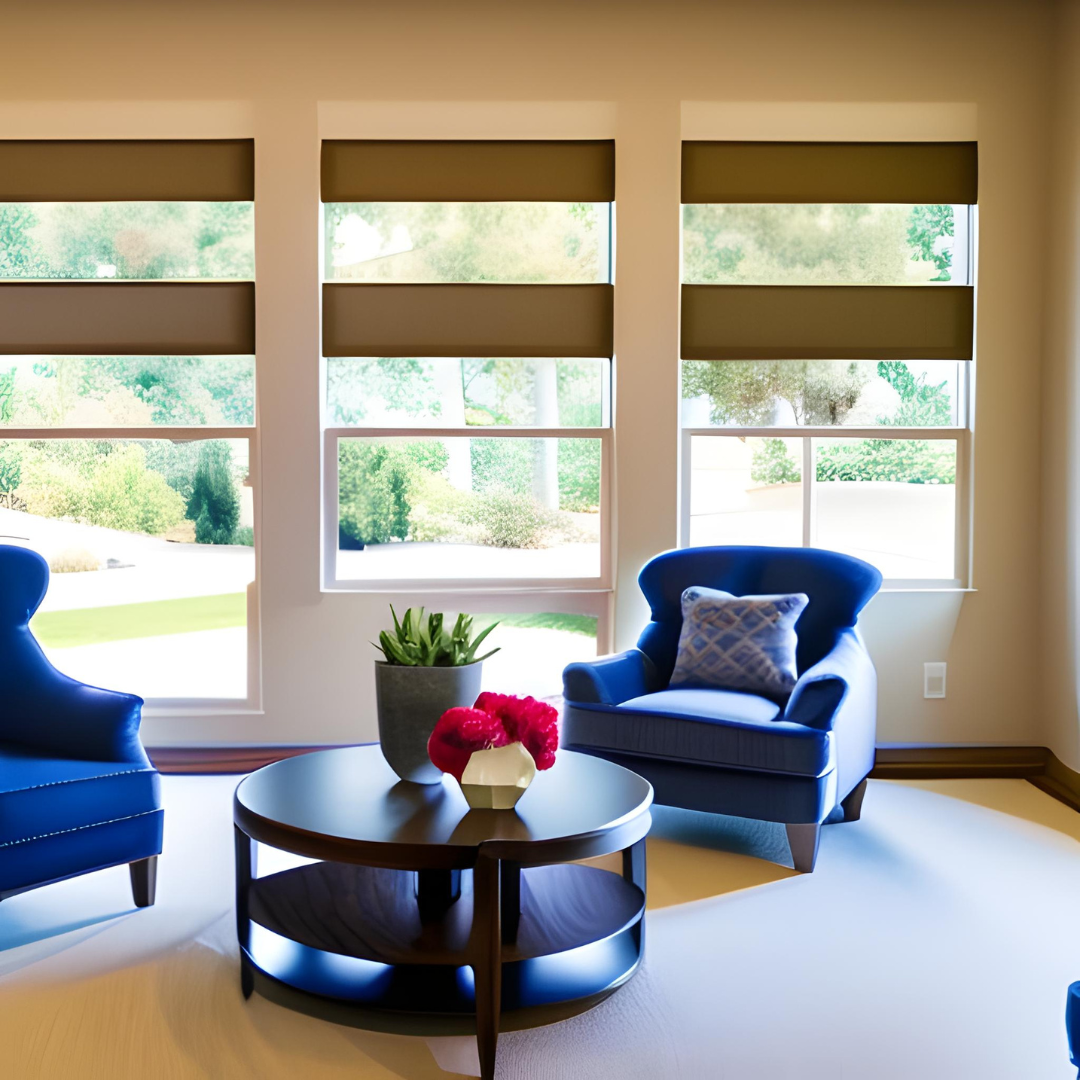
- Natural lighting: Natural light can come in through windows and skylights, and can provide a pleasant and refreshing ambiance in a room. This type of lighting is provided by natural sources, such as sunlight entering through windows or skylights. It can significantly impact the overall lighting in a room and can be combined with other types of lighting to create a more balanced and natural look.
- Decorative lighting: This type of lighting is primarily used to enhance the aesthetics of a room. Examples include decorative table lamps, chandeliers, and string lights.
By incorporating the appropriate types of lighting in an Age in Place and/or ADA-compliant home you can create a safe and accessible environment for all individuals, regardless of their age or ability.

Here are 10 specific types of lighting used in an Age in Place home:
- Task lighting: This type of lighting is essential for older adults or individuals with disabilities who may require extra lighting to perform everyday tasks, such as reading, cooking, or working. Task lighting should be bright and focused on the area where the task is being performed.
- Motion-sensor lighting: This lighting is an excellent option for individuals with mobility issues who may struggle to reach light switches. Motion-sensor lighting can be installed in key areas, such as hallways and bathrooms, to provide automatic lighting when someone enters the space.
- Contrast-enhancing lighting: This type of lighting can be particularly helpful for individuals with visual impairments. Using contrasting colours and lighting can make it easier to navigate a space, especially in areas such as stairs, doorways, and transitions between different types of flooring.
- Low-glare lighting: This type of lighting is important for individuals with sensitive eyes or vision impairments. Light fixtures that reduce glare, such as recessed lighting, can help prevent eye strain and headaches.
- Emergency lighting: In case of power outages or other emergencies, it is important to have backup lighting that can guide individuals to safety. Emergency lighting can be installed in key areas, such as exit routes and stairwells.
- Under Cabinet Lighting: For people with mobility or visual impairments, under-cabinet lighting can be particularly useful in providing adequate illumination for tasks such as food preparation or dishwashing. LED strip lights or puck lights can be installed under cabinets to provide task lighting while also being energy-efficient.
- Desk Lamps: For home offices or workstations, a good quality adjustable desk lamp can provide focused lighting to help with reading, writing, or computer work. A desk lamp with an adjustable arm and head can be positioned to suit the individual user’s needs and provide targeted lighting without causing glare.
- Bedside Reading Lamps: For those who enjoy reading in bed, a bedside reading lamp can be essential. A lamp with an adjustable arm or a flexible gooseneck can be positioned to suit the user’s preferences, and a dimming function can be useful for adjusting brightness levels for comfortable reading.
- Magnifying Task Lamp: For people with low vision or eye conditions, a magnifying task lamp can be particularly helpful for reading, crafting, or other close-up work. These lamps usually have a built-in magnifying glass and can provide bright, focused lighting for enhanced visibility.
- Closet Lighting: For people with mobility impairments, having adequate lighting in closets and dressing areas is essential for independent living. LED strip lights or puck lights can be installed in closets to provide task lighting for selecting clothes, shoes, or accessories.


By incorporating these types of lighting in an Age in Place and/or ADA-compliant home you can create a safe and accessible environment for all individuals, regardless of their age or ability.





Comments are closed